Automotive News
The Third-Row Dilemma: Why Many 7-Seater Owners Only End Up Hauling Groceries
In Indonesia, buying anything less than a 7-seater is often seen as a compromise. Yet for 350 days a year, that rearmost bench stays folded flat under grocery bags and strollers.
There is one sacred question almost every parent, in-law, or buyer asks at dealership showrooms: 'How many does it seat?' Anything fewer than seven seats is often viewed with hesitation.
The 'What If the Entire Family Visits' Myth
Our biggest psychological hurdle is the hypothetical scenario: what if extended family visits for holiday outings? What if cousins hitch a ride during annual homecoming trips? To prepare for occasions that happen twice a year at best, many drivers compromise daily comfort for the remaining 350 days.
In reality, the third row in compact and entry-level MPVs is realistically proportioned for children or passengers under 150 cm. Adults seated there on journeys exceeding an hour often sit with high knees against elevated floor pans.
The Vanishing Trunk
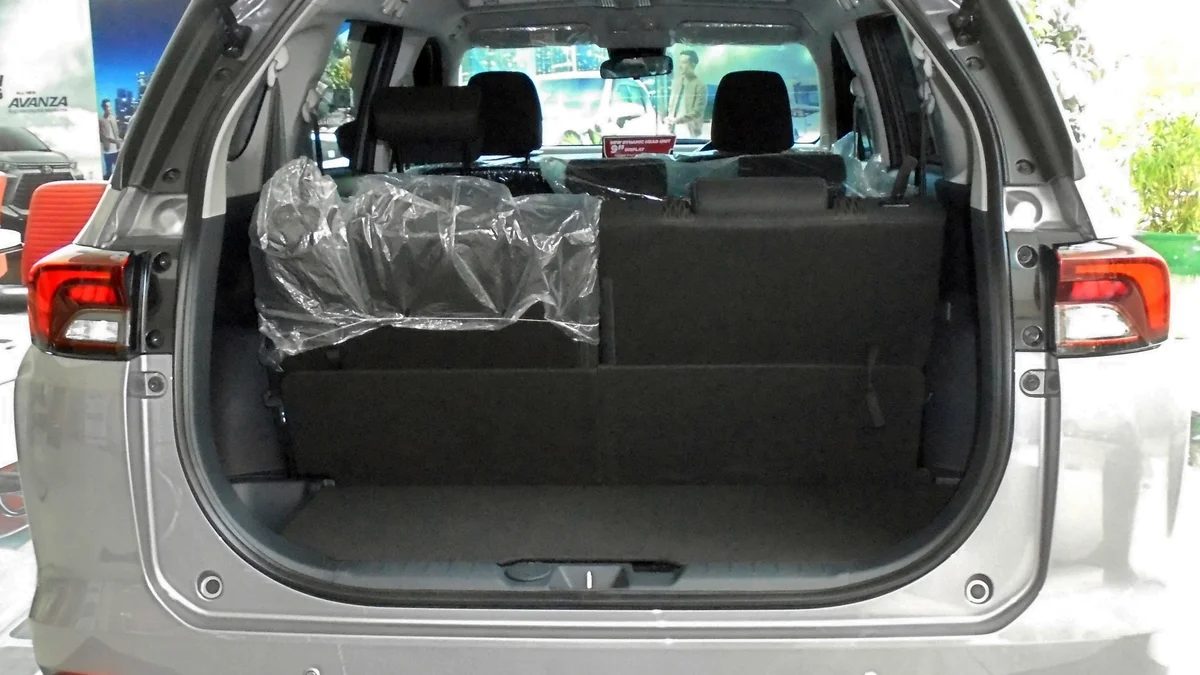
Deploying the third row shrinks cargo volume to narrow vertical slots barely holding two backpacks. When travelling with a full cabin, luggage ends up stacked on laps or wedged into footwells.
On regular weekdays, that rear bench remains tucked flat—serving primarily as an oversized shelf for mineral water jugs, gym sneakers, and folding strollers.
Prioritize Everyday Reality Over Annual Exceptions
If 90% of your weekly mileage involves commuting with two or three occupants, modern 5-seaters offer far superior second-row legroom, uncluttered cargo floors, and nimble manoeuvrability in dense urban traffic.
For the rare annual reunion, renting a dedicated passenger van alongside relatives is almost always more economical than financing unused vehicle length every month.