Electric Vehicles
One Month with an Electric Vehicle: The Small Surprises No One Tells You
Beyond zero emissions and skipping the petrol queue, living with an EV introduces quirks you rarely hear about: cabin silence that amplifies road gravel, and the habit of charging your car overnight like a phone.
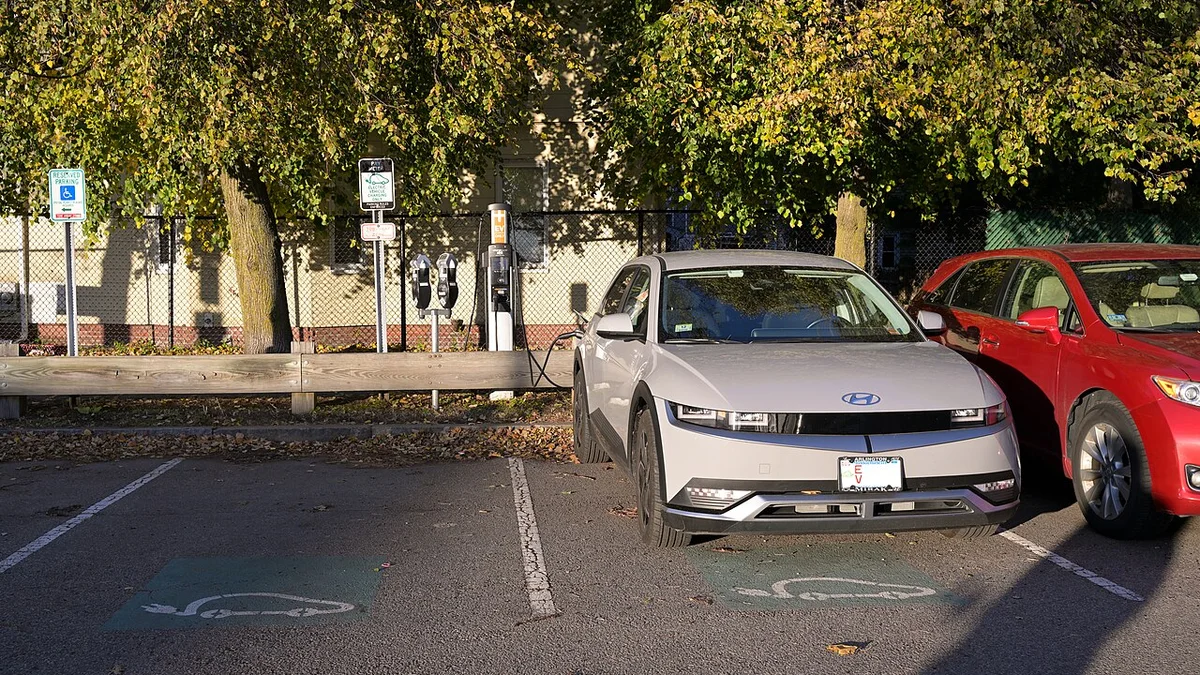
Online EV reviews frequently focus on instantaneous acceleration curves, kilowatt-hour ratings, and public charging maps across major expressways. While technically accurate, those statistics miss the subtle, human adjustments of living with one day to day.
Quiet Cabins Reveal Other Noises
The first revelation for drivers switching from internal combustion is silence. Without engine hum and exhaust vibration, the cockpit turns quiet. That stillness brings an unexpected side effect: you suddenly hear tyre friction on coarse asphalt, small pebbles tapping wheel liners, and loose coins shifting in the cup holder.
Home Plug-Ins Replace Fuel Station Lines
The persistent worry that driving an electric car demands frantic hunts for public chargers proves largely unfounded for typical city commuters. Nearly ninety percent of charging happens at home while you sleep.
Returning to your garage in the evening, plugging in becomes as instinctive as charging a smartphone on the nightstand. By sunrise, you start the morning with a full battery ready for 300 kilometres of driving.
The Practical Hurdle: Residential Meter Upgrades
The real logistical hurdle lies at your electric meter. Many suburban homes operate on 2,200 VA or 3,500 VA supplies. Installing a capable 7 kW AC wallbox requires upgrading household service to at least 7,700 VA.
With official overnight discount tariffs active between 22:00 and 05:00, operational costs drop to a fraction of standard fuel fill-ups—provided initial electrical homework is done right.